Yoguiato River: The Turquoise River of Megantoni National Sanctuary
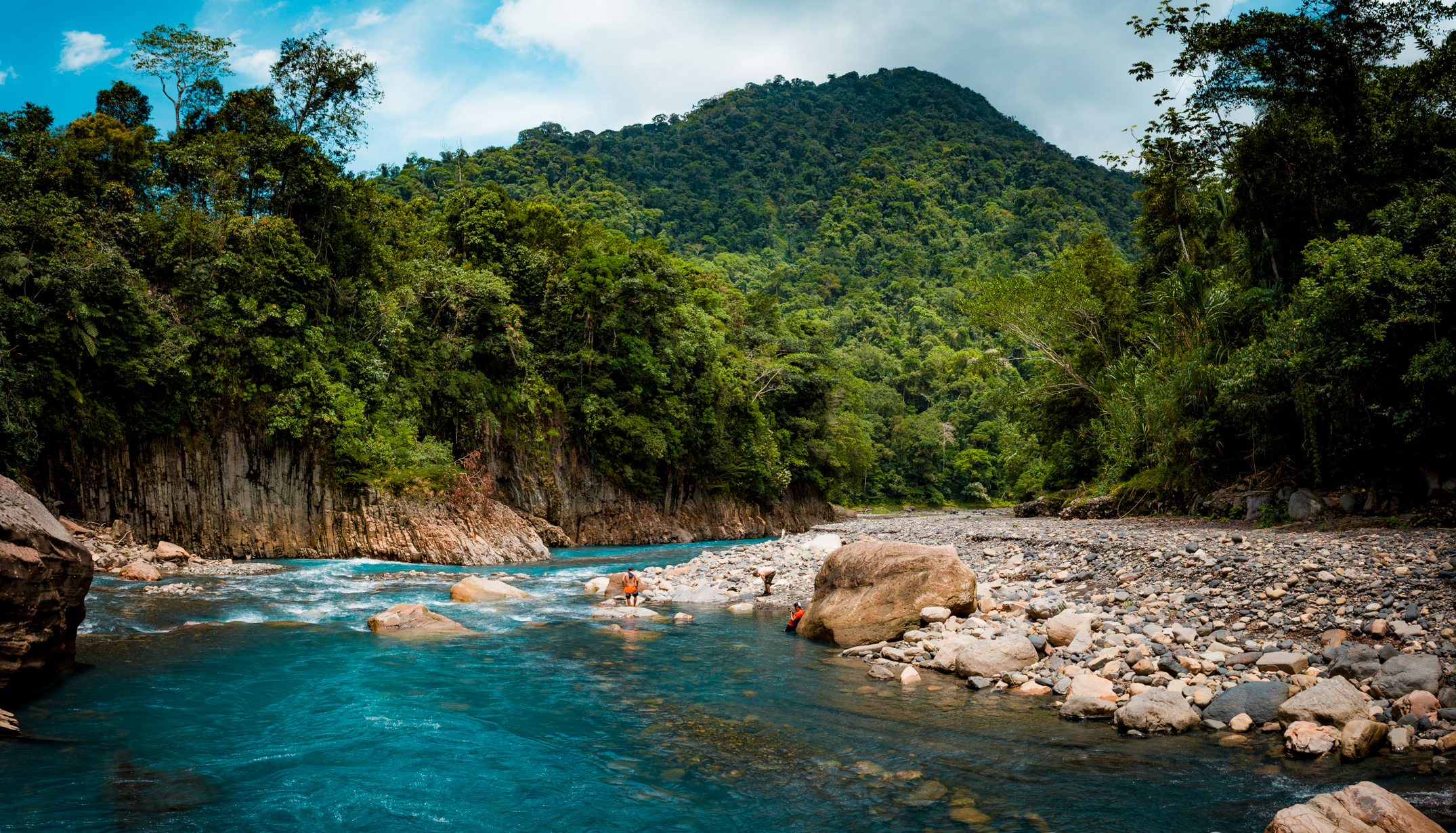
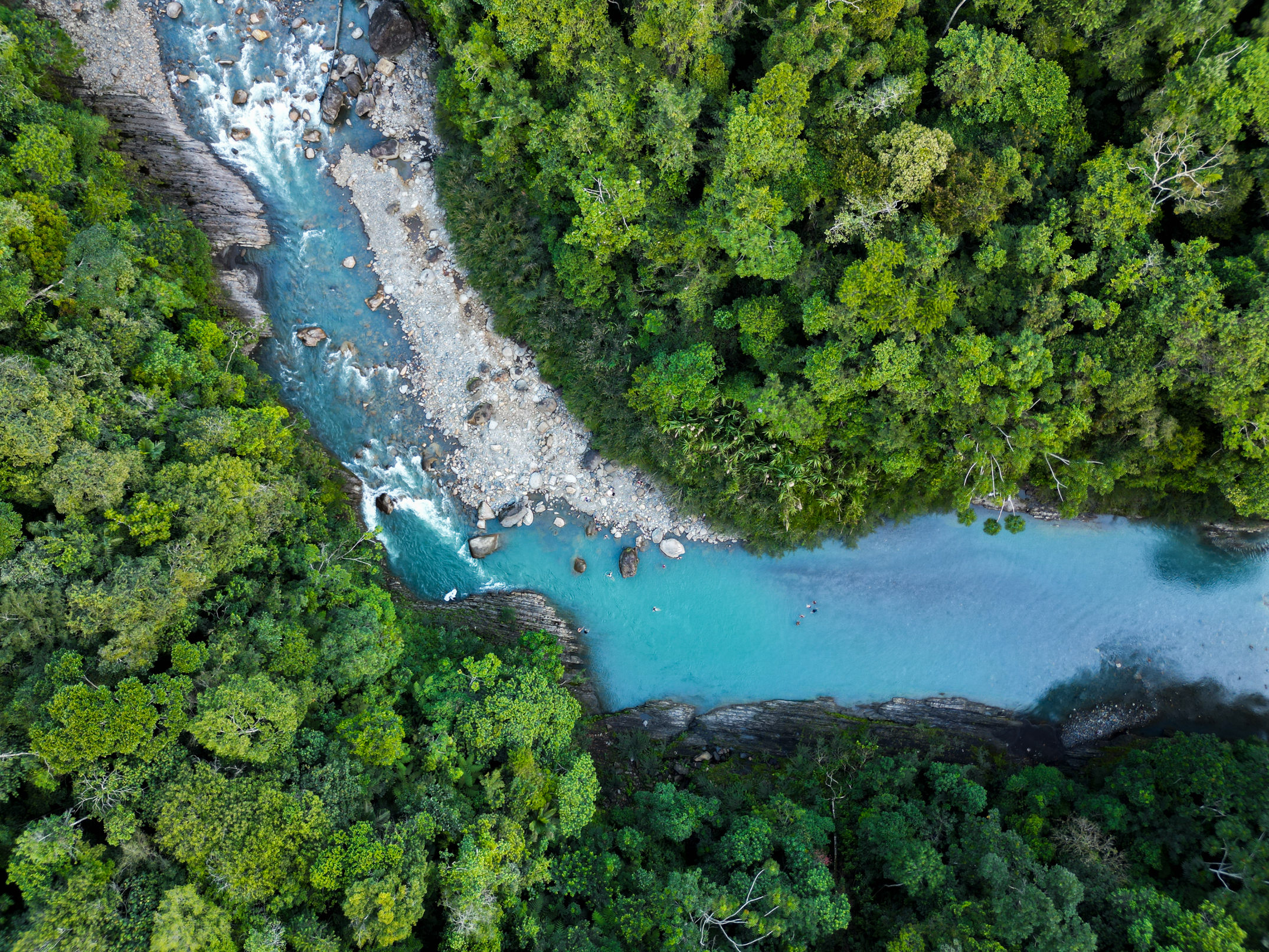
The Yoguiato River, locally known as Yoyato, is one of the most photogenic tributaries inside Megantoni National Sanctuary. Its name means "rainbow" in the Matsiguenka language, and it truly deserves it: its turquoise waters shine through the Cusco jungle with a color that seems almost unreal. It is the first major attraction on the Pongo de Mainique tour.
Features
About Destination: Yoguiato River: The Turquoise River of Megantoni National Sanctuary
What is the Yoguiato River?
The Yoguiato River — also written as Yoyato, Yoyaato or Yoguiatto — is a tributary of the Urubamba River that flows inside the Megantoni National Sanctuary, in the province of La Convención, Cusco. It is world-famous among travelers and nature photographers for the unusual intense turquoise color of its waters, created by limestone minerals carried down from the mountains before joining the Urubamba River.
Its name comes from the Matsiguenka (Machiguenga) language, spoken by an Indigenous people native to this Amazonian region. In Matsiguenka, "Yogue" means rainbow — a perfect name for a river whose waters display a spectrum of blues and greens that evokes this natural phenomenon.
The Yoguiato River is the point where the Pongo de Mainique technically begins: the Urubamba canyon starts exactly at the confluence with the Yoyato and ends at the Toteoroato River stream, also known as the "snail river".
Why does the Yoguiato River have turquoise water?
The turquoise color of the Yoguiato River is not a camera effect or photo editing trick. It is caused by the presence of dissolved calcium carbonate and fine mineral particles in suspension, which the river carries from limestone geological formations in its upper basin. These minerals refract sunlight in a particular way, absorbing red wavelengths and reflecting blue and green tones, creating the characteristic turquoise or emerald color that makes it unmistakable.
The intensity of the color varies depending on the season: during the dry season, from May to October, when the flow is lower and the water is clearer, the turquoise tone becomes more vibrant. During the rainy season, the river flow increases and turbulence makes the color less visible.
What to do at the Yoguiato River?
Swim in turquoise waters: The most popular and refreshing experience. The waters of the Yoguiato are crystal clear and have a pleasant temperature for a jungle swim.
Nature photography: The contrast between the turquoise water and the deep green Amazon rainforest creates spectacular photographic compositions. Bring your best camera.
Birdwatching: The riverbank is a natural corridor for hundreds of bird species from Megantoni Sanctuary. With some luck, you may see macaws, parrots, kingfishers and hummingbirds.
Amazonian picnic: Our tours include a typical local lunch, such as chicken juane or fried paco fish, near the Yoguiato River. Enjoying it in this landscape makes the experience even more special.
Connection with nature: Listen to the sounds of the rainforest, observe the riverbanks and simply enjoy a place that very few tourists get to visit.
How to get to the Yoguiato River from Quillabamba
The Yoguiato River cannot be reached directly by land. To visit it, you need to:
Arrive in Quillabamba from Cusco, approximately 5 hours by bus.
Travel from Quillabamba to the town of Ivochote, approximately 5 hours by road.
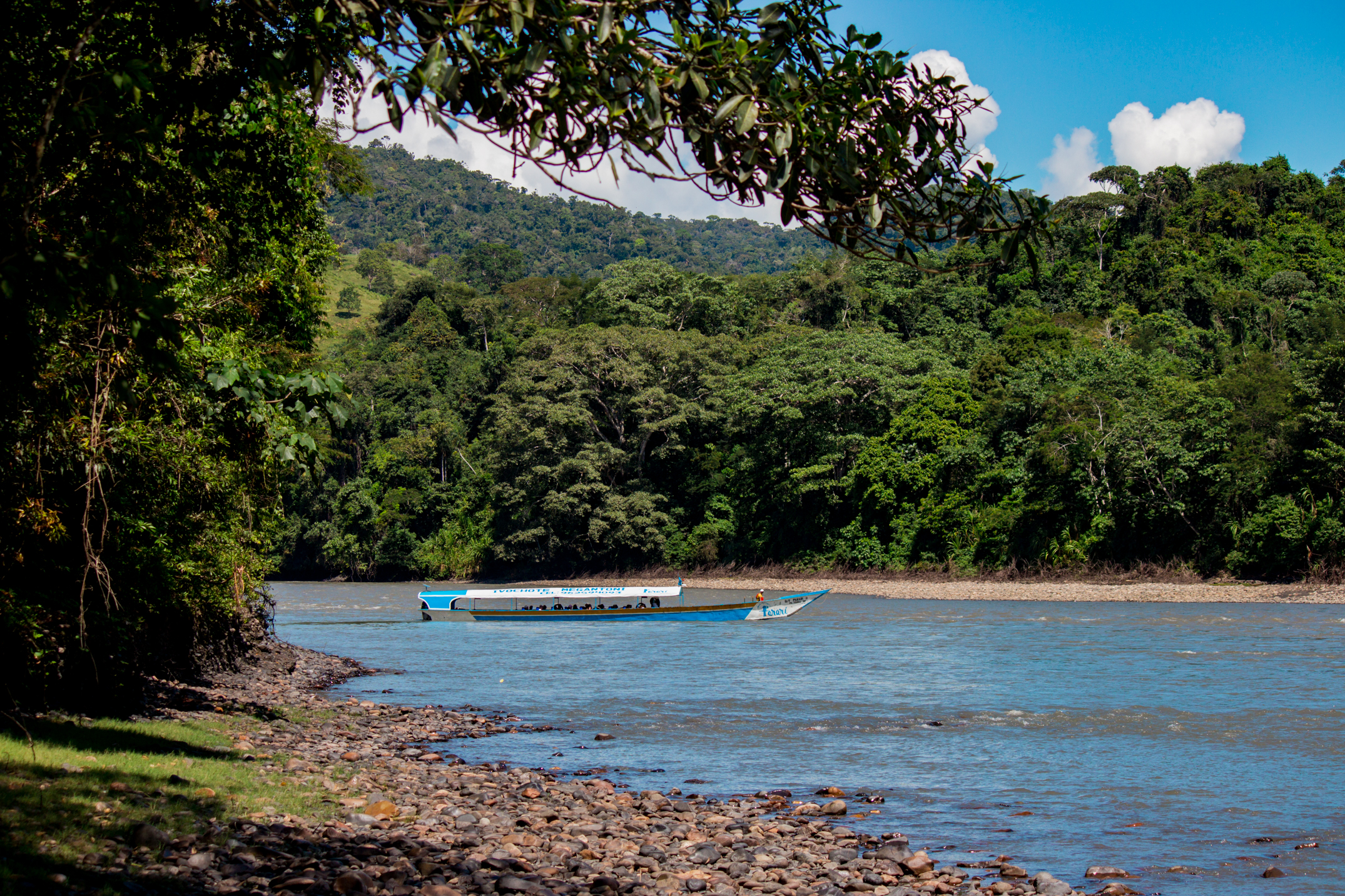
From the river port of Ivochote, board a motorized canoe and navigate along the Urubamba River to the Yoguiato River area, approximately 2 hours by river.
Because access is exclusively by river and the destination is located inside Megantoni National Sanctuary, a protected area, it is mandatory to visit with an authorized tourism agency and have registered entry to the sanctuary.
The Yoguiato River is one of the destinations included in the Pongo de Mainique + Turquoise Yoguiato River Tour by Quillabamba Travel, which combines both attractions in a 2-day trip from Quillabamba.
Best time to visit the Yoguiato River
The dry season from May to October is when the Yoguiato River shows its most intense turquoise color and navigation conditions are at their best. June, July and August offer the greatest visibility of the turquoise color and lower river risk.
During the rainy season, from December to March, the increased flow reduces the visibility of the turquoise color and makes navigation along the Urubamba River more difficult and dangerous.
The Yoguiato River and Matsiguenka culture
For the native communities that live within Megantoni National Sanctuary — mainly the Matsiguenka people, also known as Machiguenga, as well as the Nanti and other groups in voluntary isolation — the Yoguiato River is an integral part of their ancestral territory and way of life. These rivers are sources of food, communication routes and spiritual references.
When visiting the Yoguiato, you will be entering a territory where communities have lived for thousands of years in harmony with their surroundings. Respect for nature and local culture is essential. Our guides, many of whom are from the area, will share the stories and legends that make this river much more than a visual attraction.
Frequently asked questions about the Yoguiato River
Why is it written as "Yoguiato" and not "Yoyato"?
"Yoyato" is the popular local pronunciation, a simplified version of "Yoguiato", which is the form closest to the Matsiguenka-language name. Both forms are correct and are used interchangeably.
Is it dangerous to swim in the Yoguiato River?
During the dry season, swimming is safe in the areas indicated by the guide. The current is not very strong in the designated swimming spots. However, you should always follow the guide instructions.
Is the turquoise color always the same?
The color changes with the seasons. From May to October, it appears at its most intense. It may also vary depending on the time of day: at midday, with the sun high above, the turquoise tone becomes more vibrant.
Can I visit only the Yoguiato River without going to the Pongo?
Our tour combines both destinations in 2 days because they are very close and reached through the same route. We do not offer a tour only to the Yoguiato River, but you can contact us depending on your schedule and needs.
Recomendaciones de Viaje
Para que disfrutes al máximo tu experiencia, te recomendamos llevar lo siguiente:
Cuándo ir
Mayo a octubre (temporada seca). Evitar diciembre a marzo por lluvias y caudales peligrosos.
Transporte
Siempre en canoa motorizada con guía certificado. No navegar el Pongo de forma independiente.
Llevar efectivo
No hay cajeros ni señal móvil en el Santuario. Lleva efectivo para el viaje.
Protección
Repelente con DEET, protector solar SPF 50+, sombrero y ropa de manga larga para la selva.
Equipos
Bolsa impermeable (drybag) para cámara y celular. El rocío de cataratas y el agua del río son inevitables.
Respeto ambiental
No dejes basura, no toques la fauna silvestre y sigue las indicaciones del guía. Es un área protegida y un lugar sagrado.

PHOTO GALLERY
Explore the landscapes that await you in this unique adventure.
AVAILABLE TOURS
Experiences and tours that include this destination.
DESTINATION LOCATION
Destination location and meeting point.
Get ready for your next adventure in the Cusco Jungle!
Book now and discover incredible destinations, unforgettable experiences, and the magic of traveling with us. Your adventure awaits.
+
Trips
+
Destinations
+
Years of experience
+
Satisfied customers
LEARN MORE ABOUT THE CUSCO JUNGLE
Stay informed with the latest news, travel tips, and exciting stories from our adventures in the Cusco Jungle and beyond.
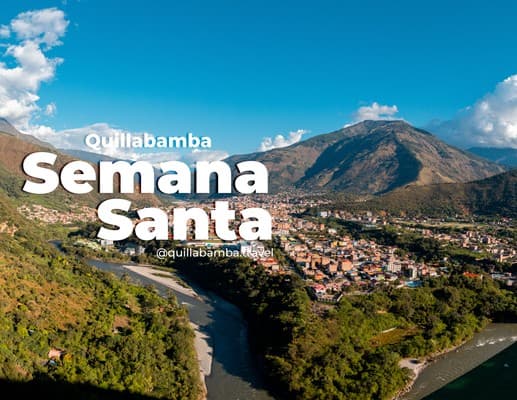
Holy Week in Quillabamba 2026: 11 Places and Experiences You Cannot Miss
Discover what to do in Quillabamba this Holy Week 2026: waterfalls, adventure, pools and tours from S/ 115. The city of eternal summer awaits you from Mar 29 to Apr 5!
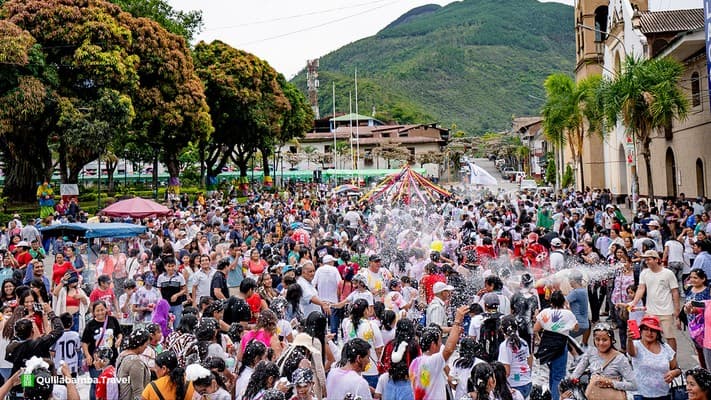
Quillabamba Carnival 2026
The city of Quillabamba fills with color and joy to celebrate one of the most vibrant carnivals in southern Peru.
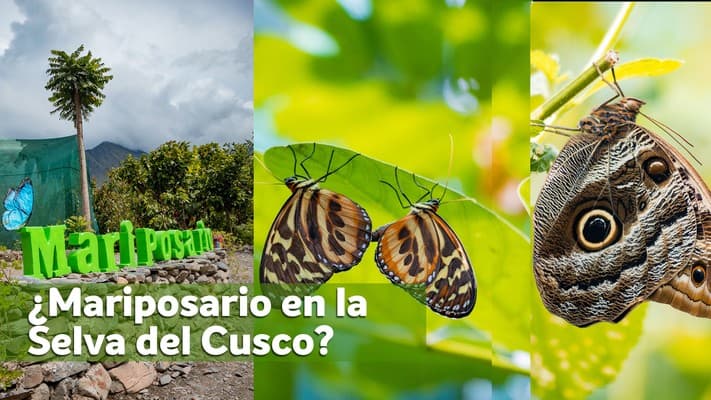
A Butterfly House in the Cusco Jungle?
Discover the Munay Pillpi Butterfly House in Echarati, an ecological sanctuary 45 minutes from Quillabamba dedicated to native butterfly conservation.
WE ARE HERE FOR YOU
Contact us and start planning your next adventure. We are ready to help you create unforgettable experiences.
Contact Information
Address
Jr. Espinar 263, Quillabamba, Peru
Phone
+51 914 974 185WhatsApp
+51 914 974 185
Business Hours
Todos los días abierto
OUR PARTNERS
We work together for sustainable tourism in the Province of La Convención (Cusco)